Electrical Maintenance Tips from a Trusted Las Vegas Electrical Contractor
Maintaining your electrical system is essential for the safety, efficiency, and longevity of your home or business. Electrical issues can range from minor inconveniences to major hazards if left unattended. By following proper maintenance routines and knowing when to call a professional, you can prevent problems before they start and keep your electrical system running smoothly.
Here are some key takeaways before we dive into the details:
Key Takeaways
- Regular inspections of your electrical system can prevent costly repairs and potential hazards.
- Simple maintenance, like checking outlets and breakers, can improve safety and efficiency.
- Upgrading old wiring and panels is crucial for handling modern electrical loads.
- Using energy-efficient devices and lighting can reduce strain on your electrical system.
- Always hire licensed electricians for major repairs or installations to ensure safety.
- A proactive approach to electrical maintenance extends the life of your system and reduces emergency calls.
Understanding Your Electrical System
Before performing any maintenance, it is important to understand the components of your electrical system. Your home or business relies on several key elements, including:
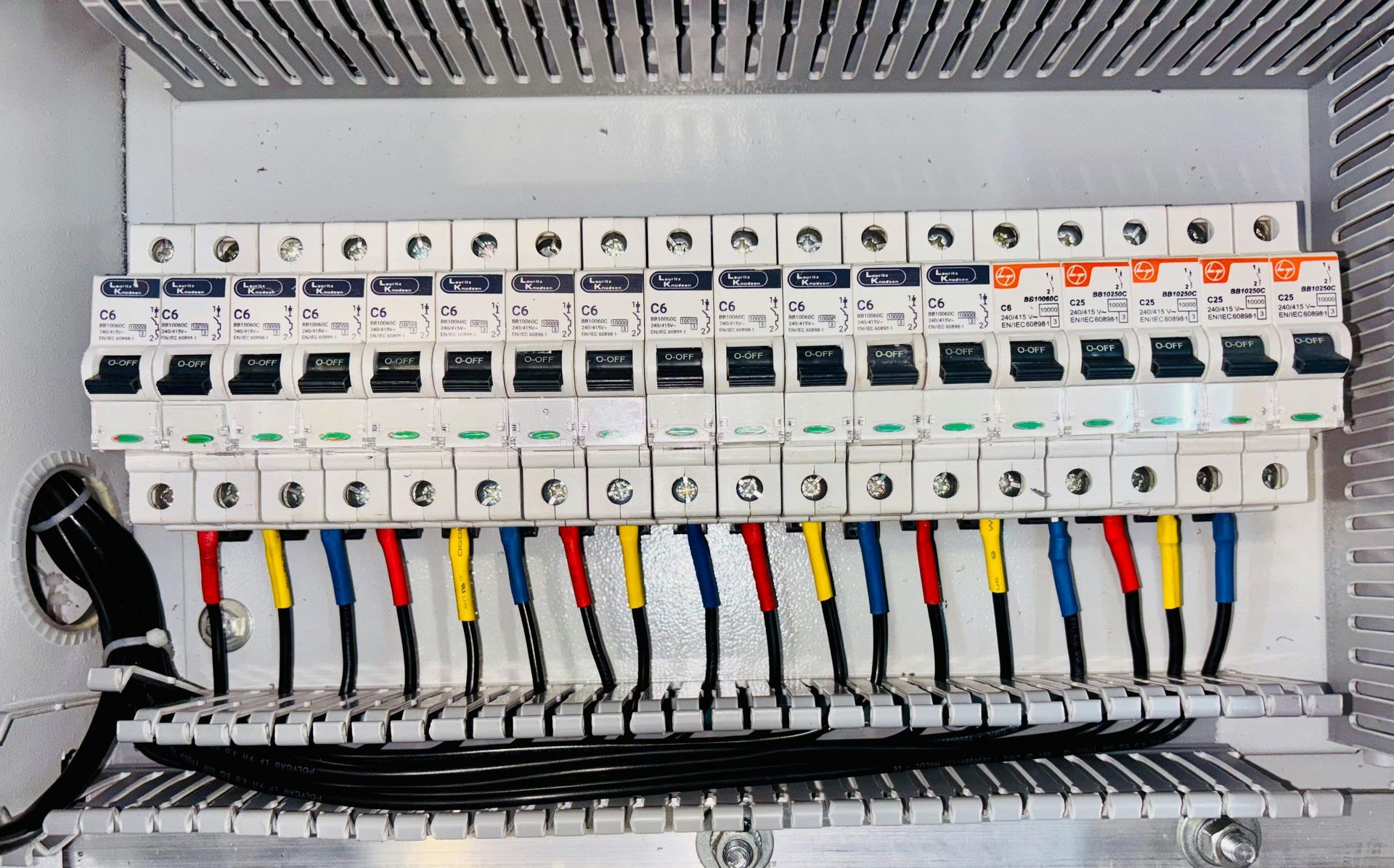
- Circuit Breaker Panel: Controls the flow of electricity and protects your wiring from overloads.
- Wiring: Distributes power throughout the building. Old or damaged wiring can be a fire hazard.
- Outlets and Switches: Connect appliances and devices to your system. Regular checks prevent shock risks.
- Lighting Fixtures: Poorly maintained lighting can cause energy loss and reduce visibility.
- Appliances and Electronics: These often draw significant power, so monitoring their use is important.
Understanding these components helps you identify potential issues before they escalate.
Routine Electrical Inspections
Regular inspections are one of the most effective ways to maintain a safe electrical system. A professional electrician can check for:
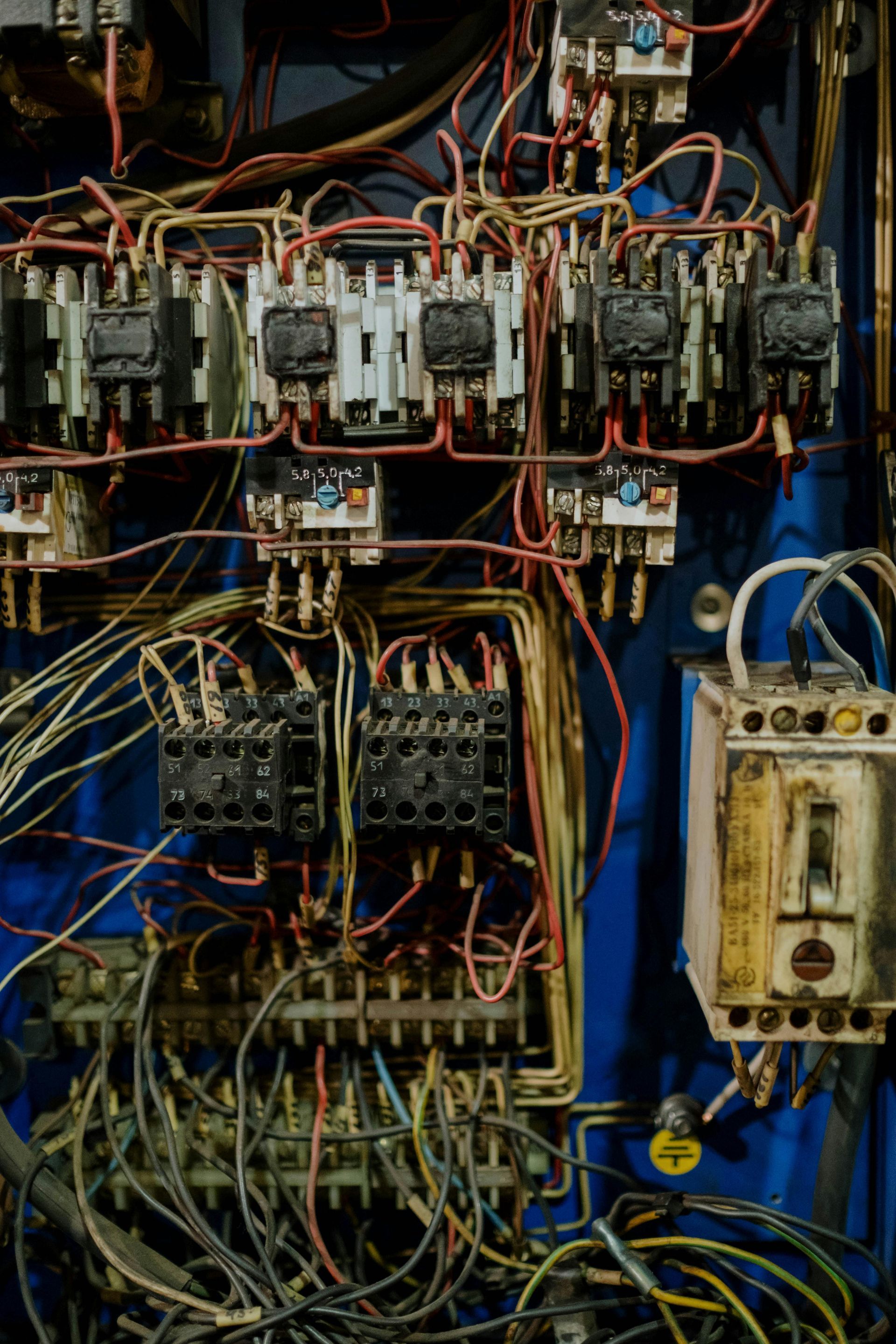
- Signs of overheating, such as scorch marks or a burning smell
- Loose connections or damaged wiring
- Tripped breakers or frequently blown fuses
- Outdated electrical panels and components
- Proper grounding of all outlets and circuits
Tip: Schedule inspections at least once every two years, or more often for older properties.
Common Electrical Maintenance Tasks
There are several maintenance tasks that you can safely perform yourself to improve efficiency and safety
.
1. Check Outlets and Switches
- Look for loose or cracked outlets
- Ensure switches operate smoothly without sparks or unusual sounds
- Test GFCI outlets in kitchens, bathrooms, and outdoor areas
2. Monitor Your Circuit Breaker Panel
- Reset tripped breakers properly
- Label each circuit for easy identification
- Ensure the panel is free of moisture or corrosion
3. Inspect Cords and Appliances
- Avoid using frayed or damaged cords
- Unplug unused appliances to reduce energy consumption
- Ensure cords are not pinched or running under rugs
4. Replace Burnt-Out or Flickering Lights
- Use energy-efficient LED bulbs
- Check fixture wiring if flickering continues
- Consider professional replacement for hardwired lighting
5. Keep Your Electrical System Dry and Clean
- Avoid exposing outlets or panels to moisture
- Clean dust and debris from fixtures and vents
- Ensure proper ventilation for high-wattage appliances
| Maintenance Task | Frequency | Notes |
|---|---|---|
| Electrical inspection | Every 2 years | Hire a licensed electrician |
| Outlet and switch check | Every 6 months | Replace damaged or loose units |
| Breaker panel monitoring | Monthly | Label circuits and check for tripped breakers |
| Appliance and cord inspection | Monthly | Replace frayed cords and unplug unused devices |
| Lighting inspection | As needed | Replace bulbs and check for wiring issues |
Upgrading Old Electrical Systems
Older homes and businesses often struggle with outdated wiring or panels that cannot handle modern electrical demands. Consider the following upgrades:
- Panel Upgrades: Replace panels that frequently trip or are outdated
- Rewiring: Update aluminum or deteriorated wiring to modern standards
- Surge Protection: Install whole-house surge protectors to safeguard devices
- Smart Systems: Consider smart breakers or outlets for better control and monitoring
These upgrades not only improve safety but also enhance energy efficiency.
Energy Efficiency Tips
Maintaining your electrical system is not only about safety but also about reducing energy costs. Here are some tips:
- Switch to LED or energy-saving bulbs
- Use programmable thermostats for HVAC systems
- Unplug devices when not in use
- Upgrade appliances to energy-efficient models
- Consider smart plugs or circuits for better energy monitoring
Energy-efficient practices reduce electrical load, which can prolong the life of your wiring and panels.
Warning Signs You Need a Professional
Certain issues require immediate attention from a licensed electrician. Watch for these warning signs:
- Frequent breaker trips or blown fuses
- Burning smells or visible sparks
- Flickering or dimming lights
- Hot outlets or switches
- Buzzing sounds from panels or wiring
Ignoring these signs can result in electrical fires or damage to your property.
DIY Electrical Maintenance vs. Professional Services
When it comes to maintaining your electrical system, it is important to understand the difference between tasks you can safely do yourself and those that should always be handled by a licensed professional. Knowing these boundaries helps prevent accidents, property damage, and costly repairs.
DIY Electrical Maintenance Tasks
There are several maintenance tasks that homeowners or business owners can safely perform with basic knowledge and proper precautions. These tasks typically do not involve opening panels or working with live wires:
- Inspecting Outlets and Switches: Look for signs of wear, cracks, or discoloration. If a switch is loose or an outlet cover is damaged, replacement is often straightforward.
- Replacing Light Bulbs and Fixtures: Swapping out bulbs or changing fixtures can improve lighting efficiency. Always turn off the power at the wall switch before starting.
- Testing GFCI Outlets: Ground Fault Circuit Interrupter outlets protect against shocks in wet areas. You can test them by pressing the “test” and “reset” buttons regularly.
- Checking Appliance Cords: Regularly inspect cords for fraying or damage. Replace or unplug appliances with faulty cords to prevent electrical hazards.
- Resetting Tripped Breakers: If a breaker trips, safely reset it after unplugging devices on that circuit. Frequent trips may indicate a larger problem.
These tasks help maintain safety and efficiency without exposing you to high-risk electrical work. Always follow proper safety procedures, including turning off circuits before working near outlets or fixtures.
Professional Electrical Services
Certain tasks involve higher risks and require a licensed electrician. These tasks should never be attempted by untrained individuals:
- Residential electrical upgrades in Las Vegas: Replacing an outdated breaker panel or adding new circuits requires specialized knowledge and can be dangerous if not done properly.
- Rewiring: Old or damaged wiring poses serious fire risks. Rewiring should only be done by professionals familiar with local codes and safety standards.
- Installing High-Voltage Appliances: Adding air conditioners, electric water heaters, or ovens requires precise calculations and proper circuit protection.
- Troubleshooting Complex Electrical Problems: Persistent flickering, unusual noises, or tripping breakers may indicate hidden issues that require professional tools and expertise.
- Emergency Repairs: Sparks, burning smells, or signs of electrical fire demand immediate professional attention.
Hiring a licensed electrician ensures compliance with safety codes, prevents damage, and protects both people and property. Professionals also carry insurance, which protects you in the event of accidents during the work.
Striking a Balance
The best approach is a combination of DIY checks and professional maintenance:
- Perform basic inspections and small tasks yourself to identify potential problems early.
- Call a trusted Las Vegas electrical contractor for complex or risky tasks to ensure safety and code compliance.
- Schedule regular professional inspections to catch issues you might miss and to plan for future upgrades.
By understanding the limits of DIY work, you save money, reduce risks, and keep your electrical system running smoothly.
Frequently Asked Questions
How often should I have my electrical system inspected?
It is recommended to have a licensed electrician inspect your system every two years, or more frequently for older buildings.
Can I replace an outlet or switch myself?
Minor replacements can be done safely if you know what you are doing, but any work involving major wiring or panels should be handled by a professional.
How do I know if my home needs a panel upgrade?
If breakers frequently trip, your home has older wiring, or you are adding high-demand appliances, it may be time to upgrade your panel.
Are surge protectors worth installing?
Yes, surge protectors safeguard your appliances from voltage spikes, which can save money and prevent damage.
What should I do if I notice flickering lights?
Check bulbs and fixtures first, but persistent flickering may indicate wiring issues. Contact a licensed electrician for a full inspection.
Final Thoughts
Electrical maintenance is essential for the safety, efficiency, and reliability of your home or business. By performing routine checks, understanding warning signs, and calling a licensed Las Vegas electrical contractor when needed, you can avoid costly repairs and prevent hazards. A proactive approach not only protects your property but also ensures your electrical system performs efficiently for years to come.
For
professional electrical services and advice, contact a trusted Las Vegas electrical contractor today.
Ensure the safety and efficiency of your electrical system. Connect with our Las Vegas experts now for a full inspection or professional maintenance.
References:
https://safetyculture.com/topics/electrical-maintenance